
Carhub Automotive Service Car Owners
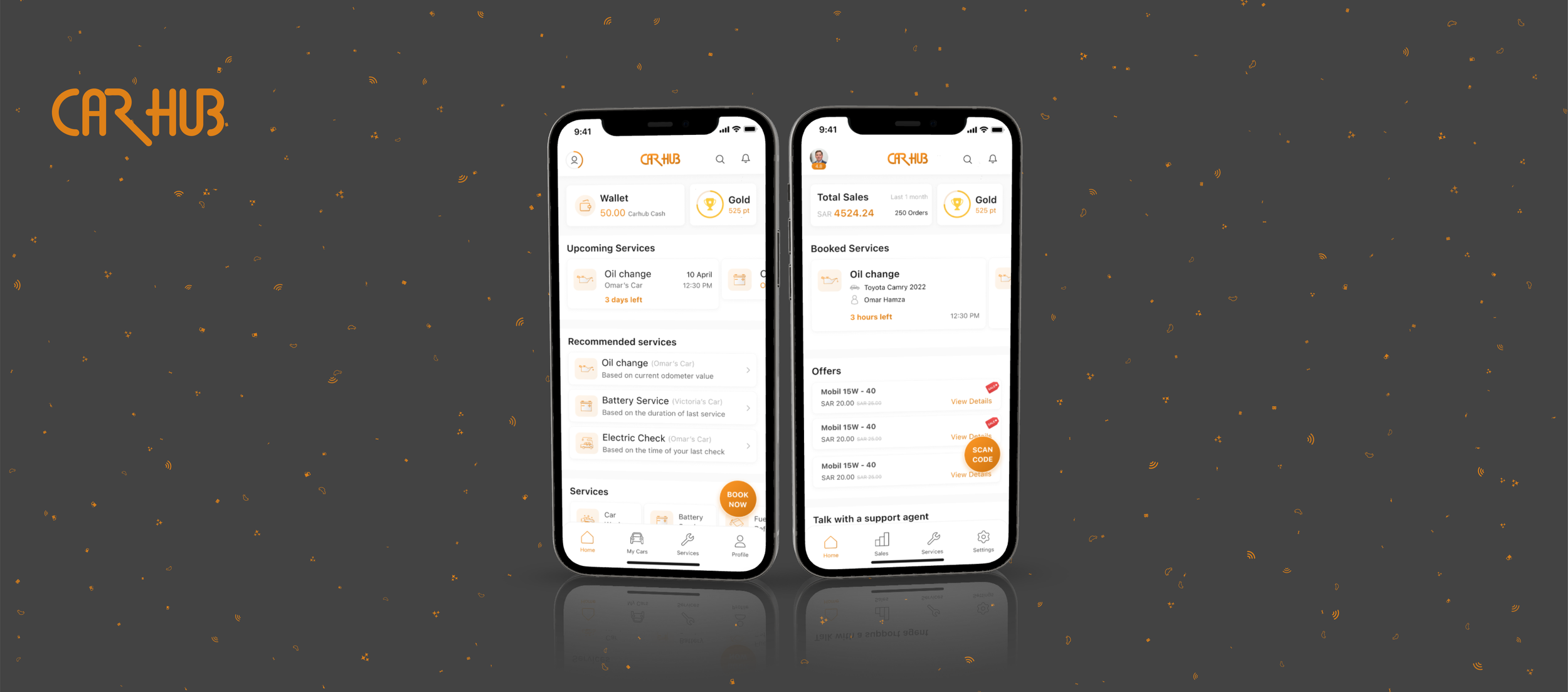
Contributing to Carhub's platform redesign, I crafted a unified digital ecosystem that bridges car owners and service providers. Our user-centered redesign simplified complex automotive services, increased service appointments by 45%.
Year (Duration)
2023 (3 months)
My Contribution
Part of team of 2 UX Designers
Key Actions
Research, UX Design, Ideation, Testing
My Role
UX Designer
Challenges
Carhub's initial MVP revealed critical usability issues that hindered adoption among both car owners and service providers. The platform needed a complete redesign to transform complex automotive service processes into seamless digital experiences.
Create intuitive journeys for two distinct user groups: car owners seeking services and automotive businesses managing bookings
Simplify the onboarding and transaction processes to increase platform adoption and usage
Design a localized experience that resonates with regional users while maintaining service quality
User Research: Understanding Two User Groups
To understand the pain points in automotive service discovery and booking, we conducted interviews with both car owners and service providers.
Through in-depth interviews with 6 car owners and 4 service providers, we identified key patterns and user needs. Using affinity mapping, we synthesized our findings into five critical user needs:
Users need quick access to reliable service providers in their area
Service providers need efficient booking and customer management tools
Users need transparent pricing and service details upfront
Both groups need simple, secure payment processes
Service providers need easy ways to showcase their expertise and build trust
Comprehensive Secondary Research
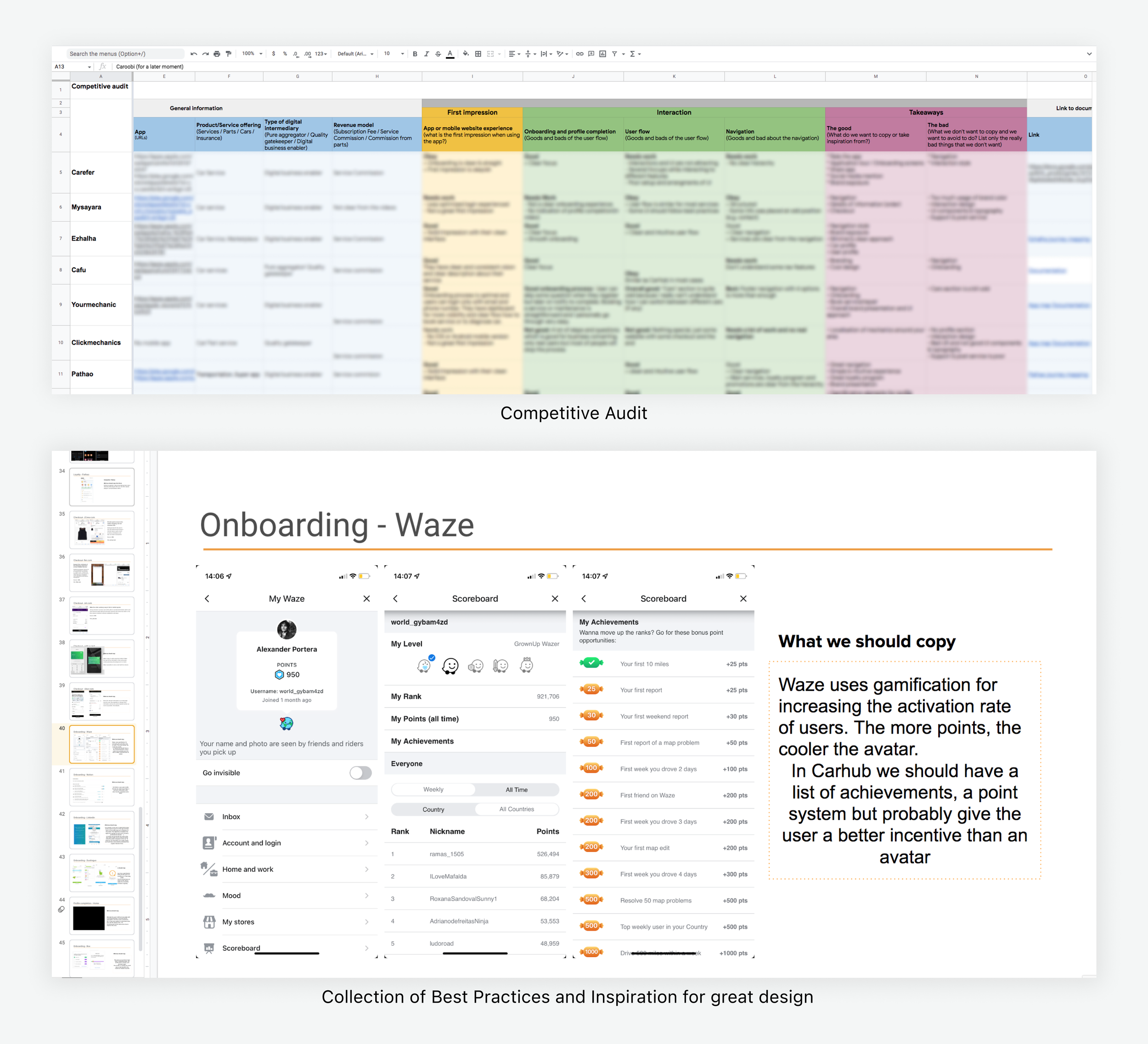
Before diving into design solutions, we analyzed existing automotive service platforms and mapped user behaviors across competitor applications. This research helped us understand industry patterns and identify opportunities for innovation.
Evaluated competitor strengths and pain points
Mapped common user journeys and drop-off points
Gathered insights on successful service booking patterns
Data Driven Analysis
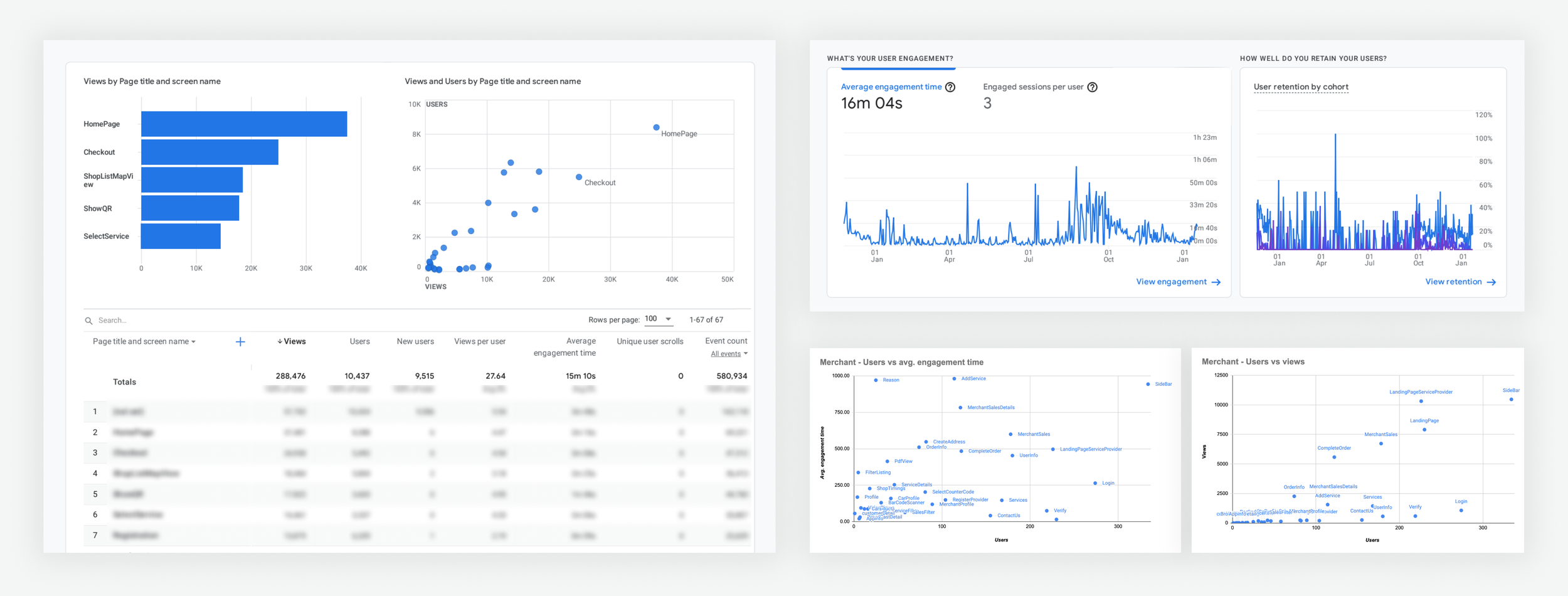
We found some behavior pattern of our users while analyzing Google Analytics data for the app. We found which features were being ineffective for them and why.
Ideation Workshop
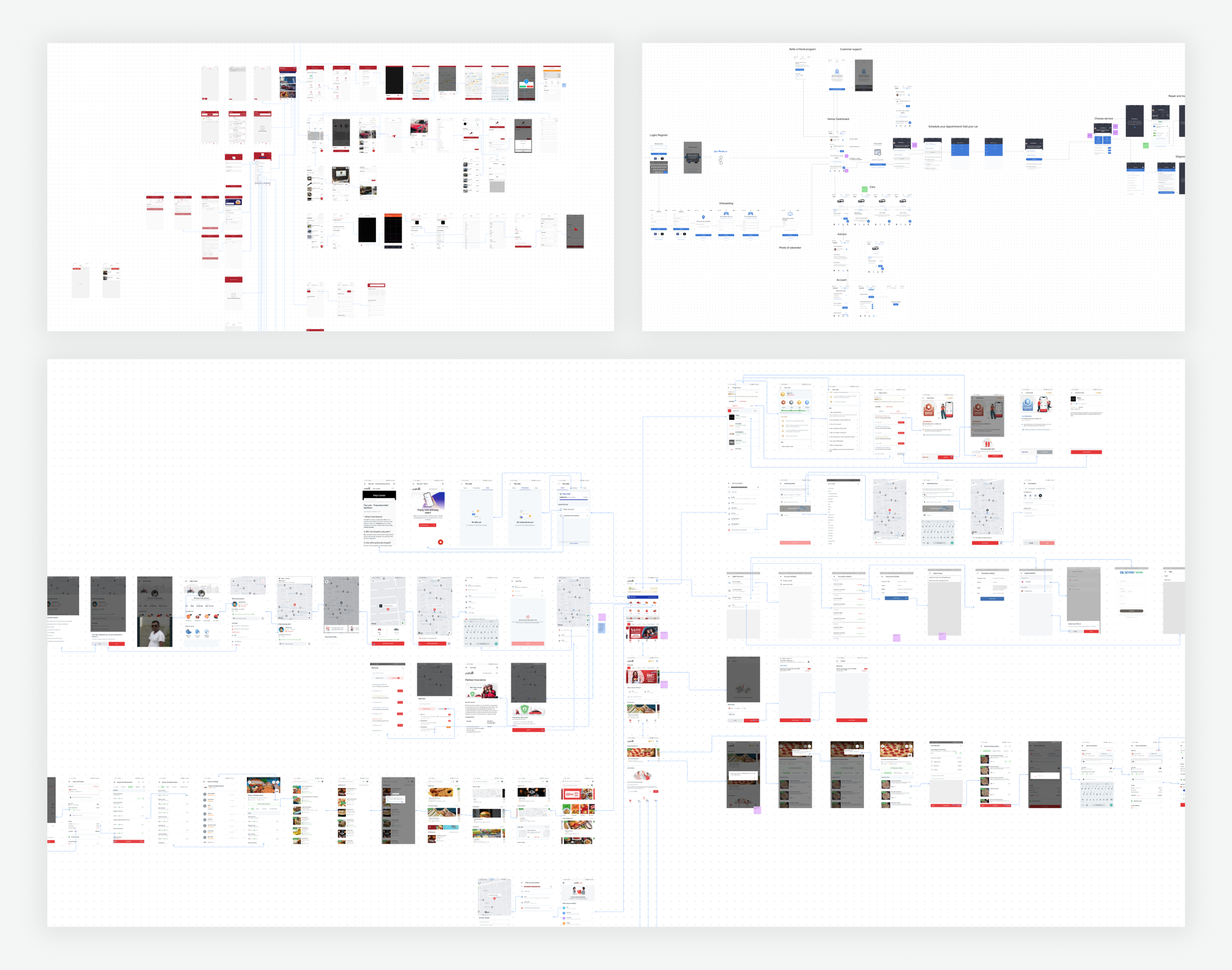
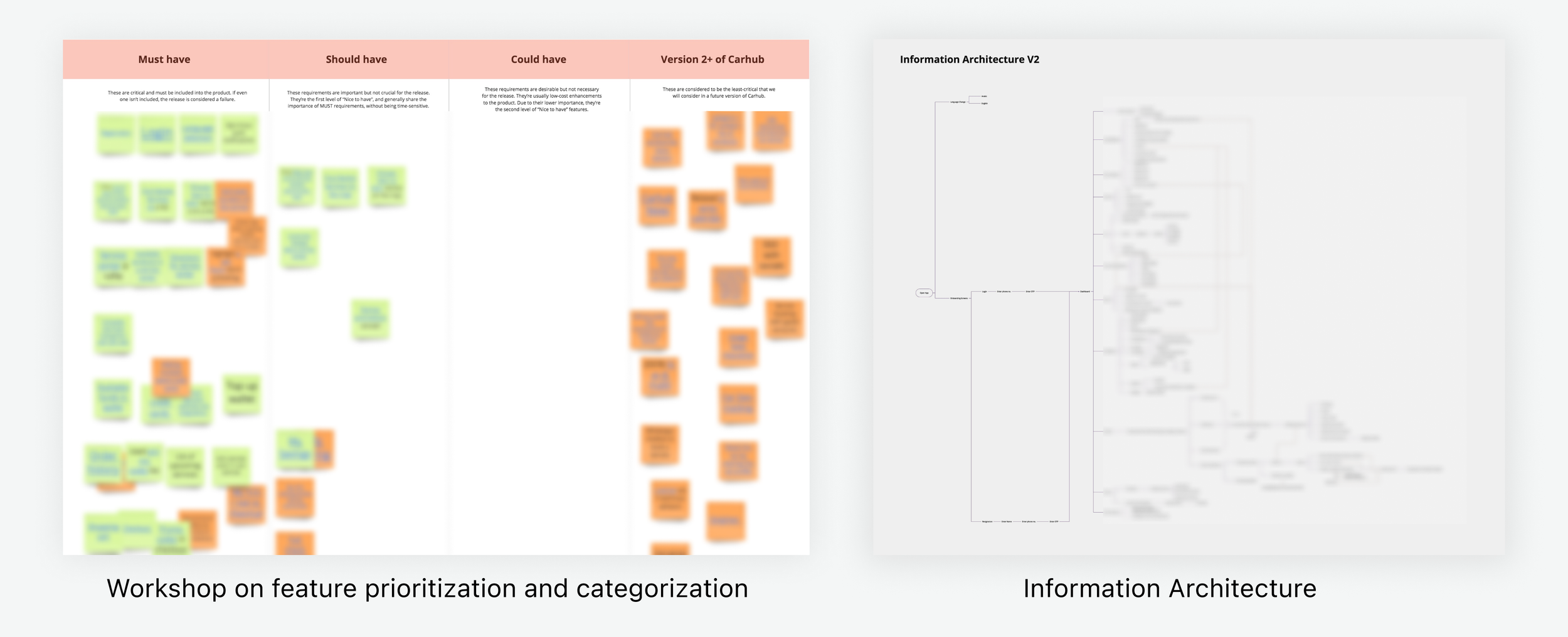
We had workshops with business and tech stakeholders to identify their plan for the future. We created the wishlist of features and a roadmap for the release. We developed the Information Architecture that stakeholders recommended as the automotive service can be tricky.
Wireframes & Iterations
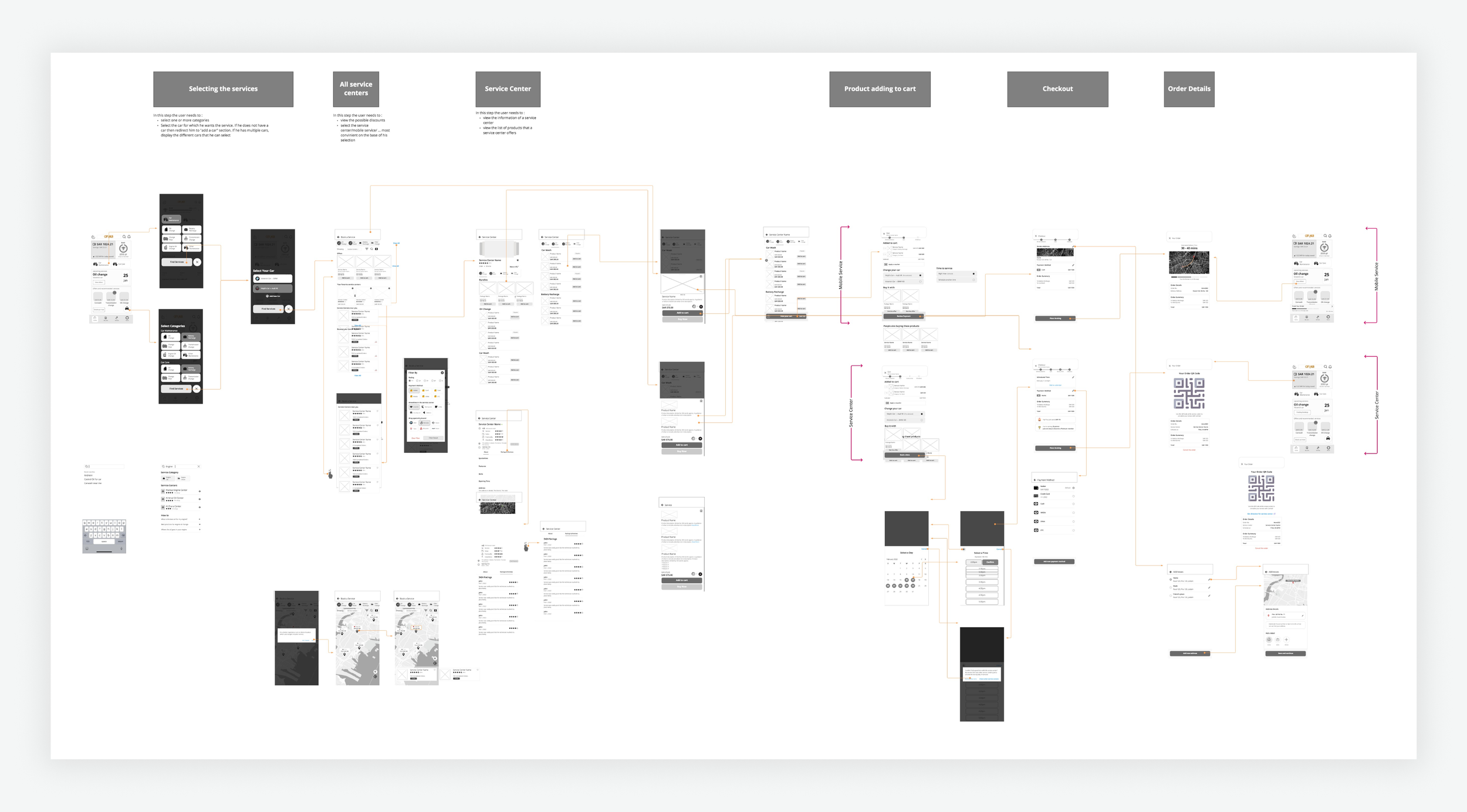
Using all our research insights we created the first iteration of wireframes for car owners and merchants.
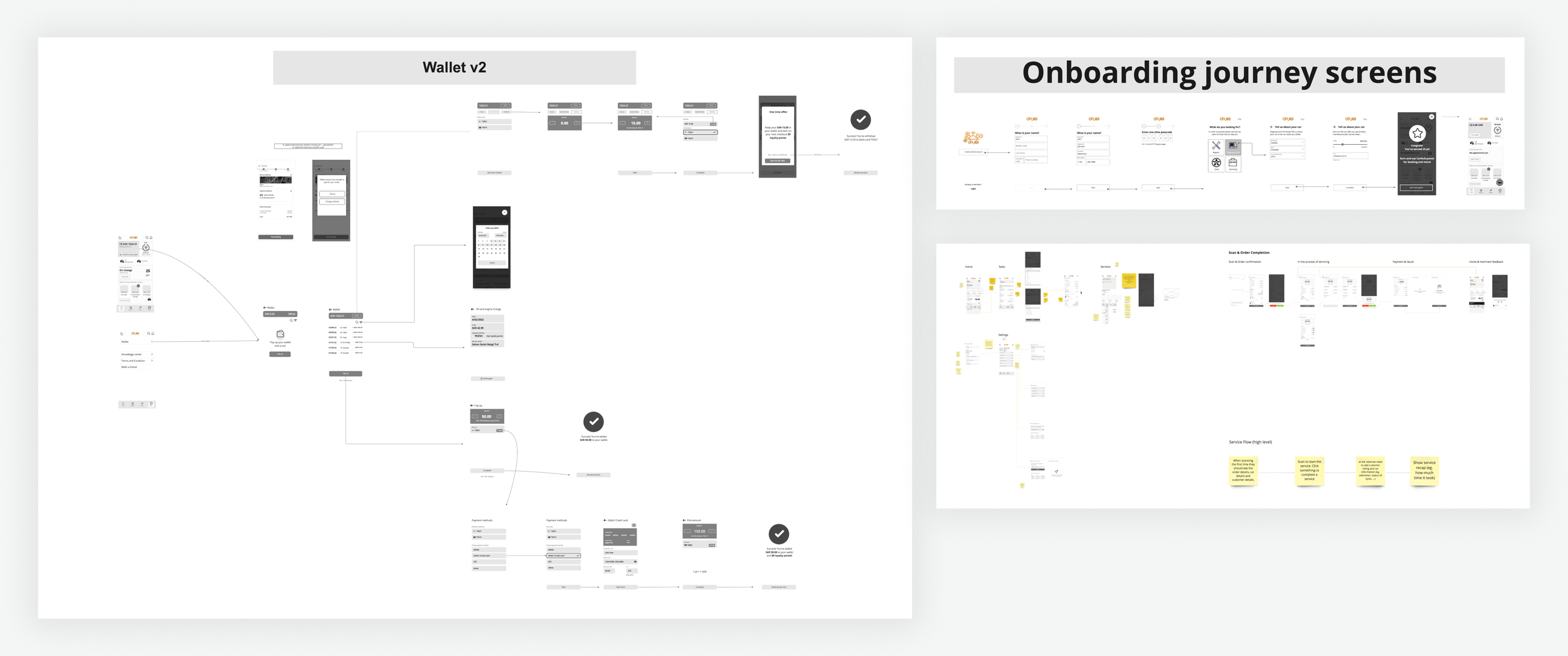
After making some discussions with stakeholders, we came up with some problems to fix for the users. We created the second iteration of wireframes with the fixes we got from our discussions.
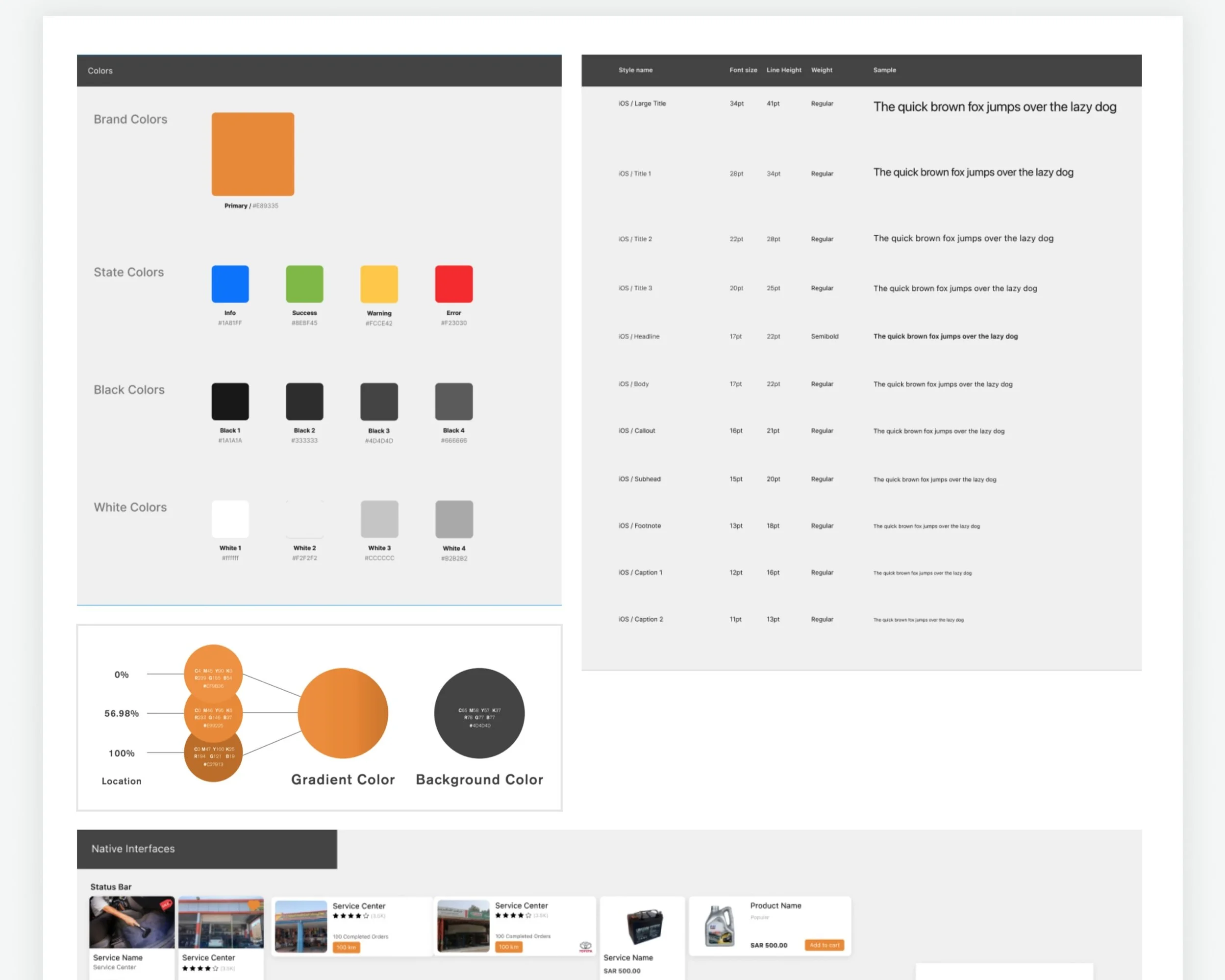
Styleguide & Components
Designing the Solution
The final solution bridges car owners and service providers through two specialized interfaces. Using a consistent design language, we simplified automotive service discovery and management while ensuring both user groups can efficiently complete their tasks.
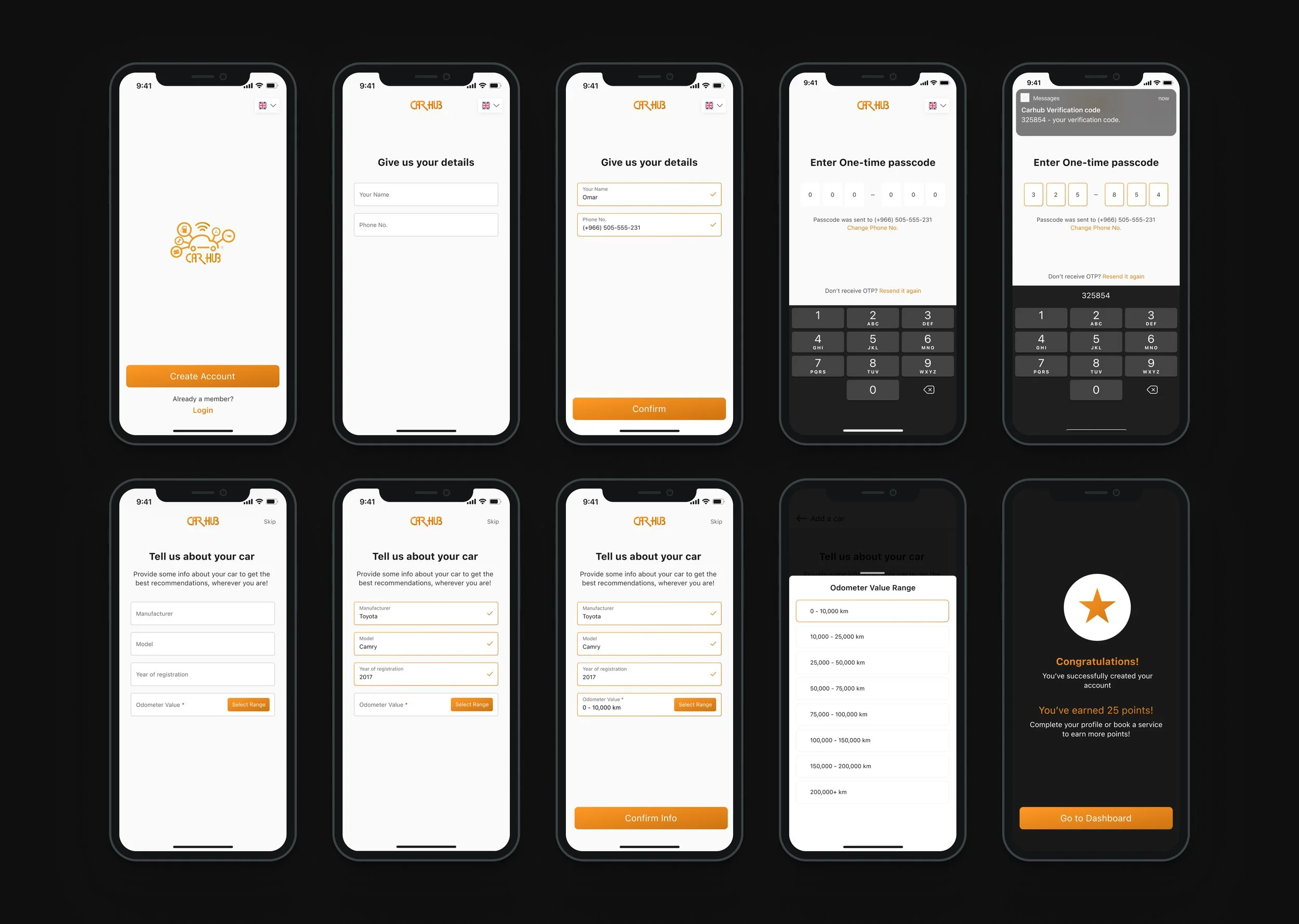
Streamlined Onboarding
The redesigned onboarding focuses on quick authentication through OTP, minimizing user input while maintaining security requirements.
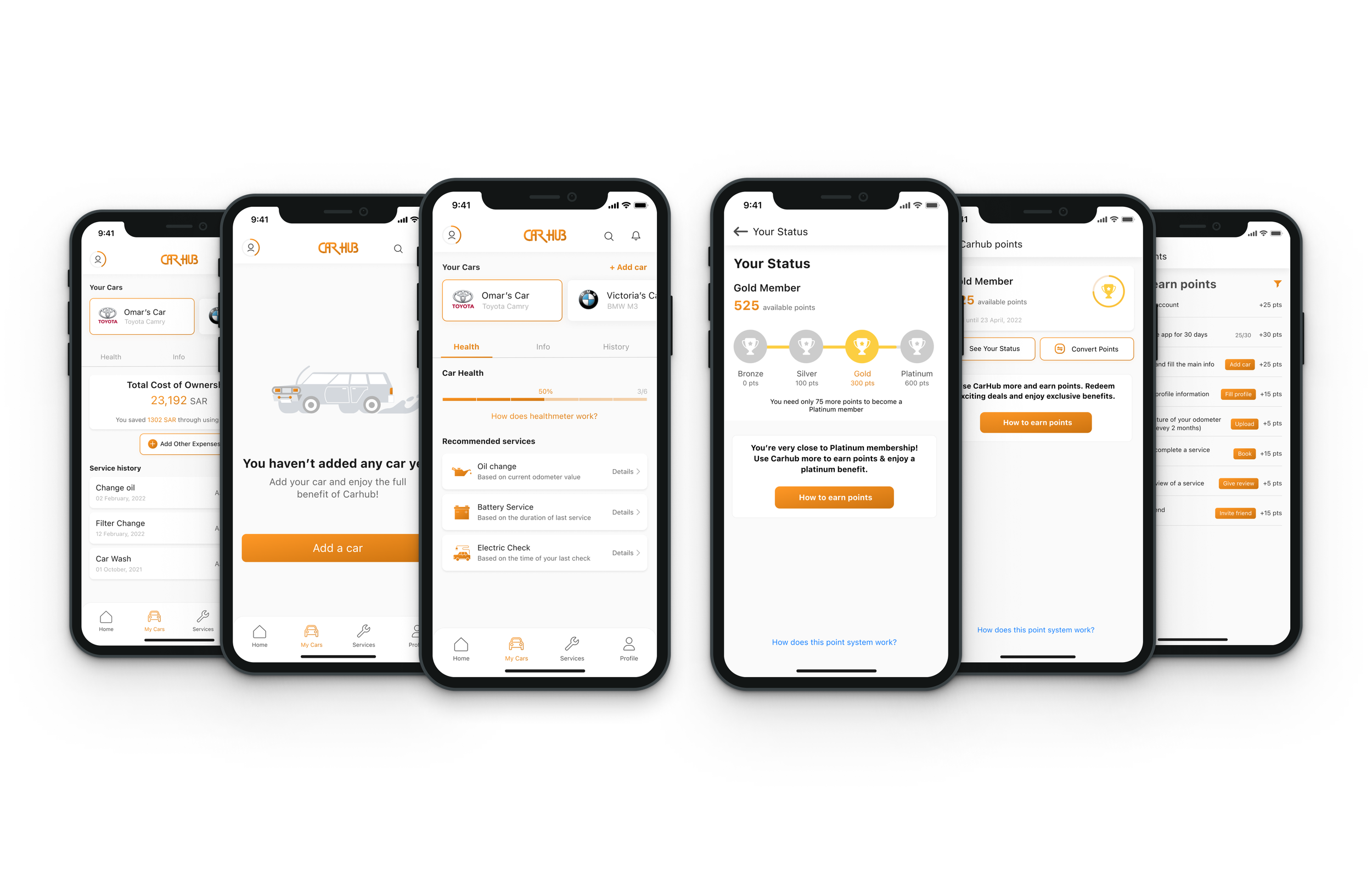
Car Health Management & Loyalty
We designed an intuitive system that helps owners track their vehicle's maintenance needs while rewarding regular service engagement. The solution combines proactive service reminders with a points-based loyalty program.
Smart maintenance tracking and alerts
Service history with detailed records
Rewards program for regular users
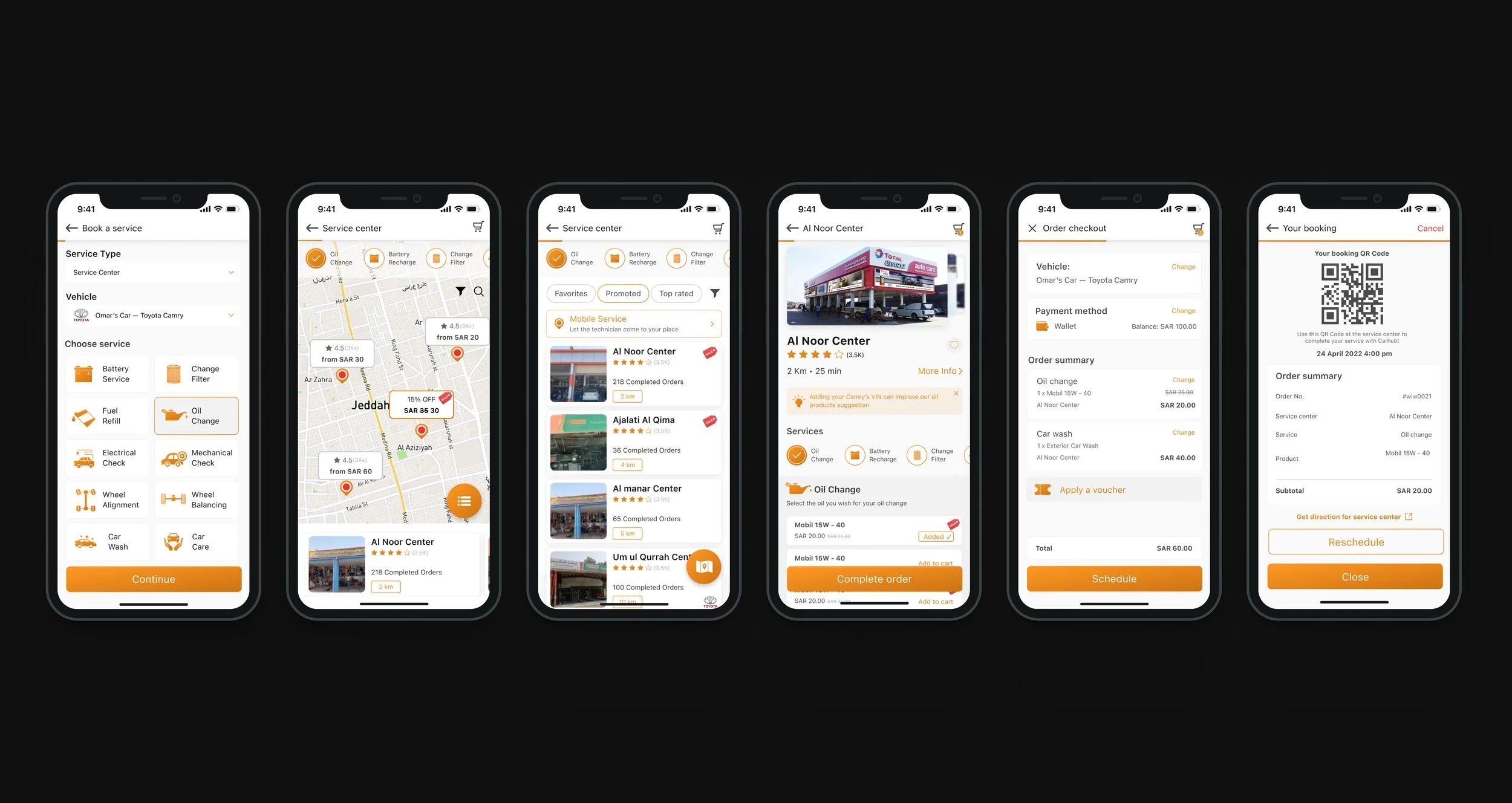
Car Service Booking Mechanism
The redesigned service booking experience guides users from selection to scheduling in just a few taps, with clear pricing and service information throughout.
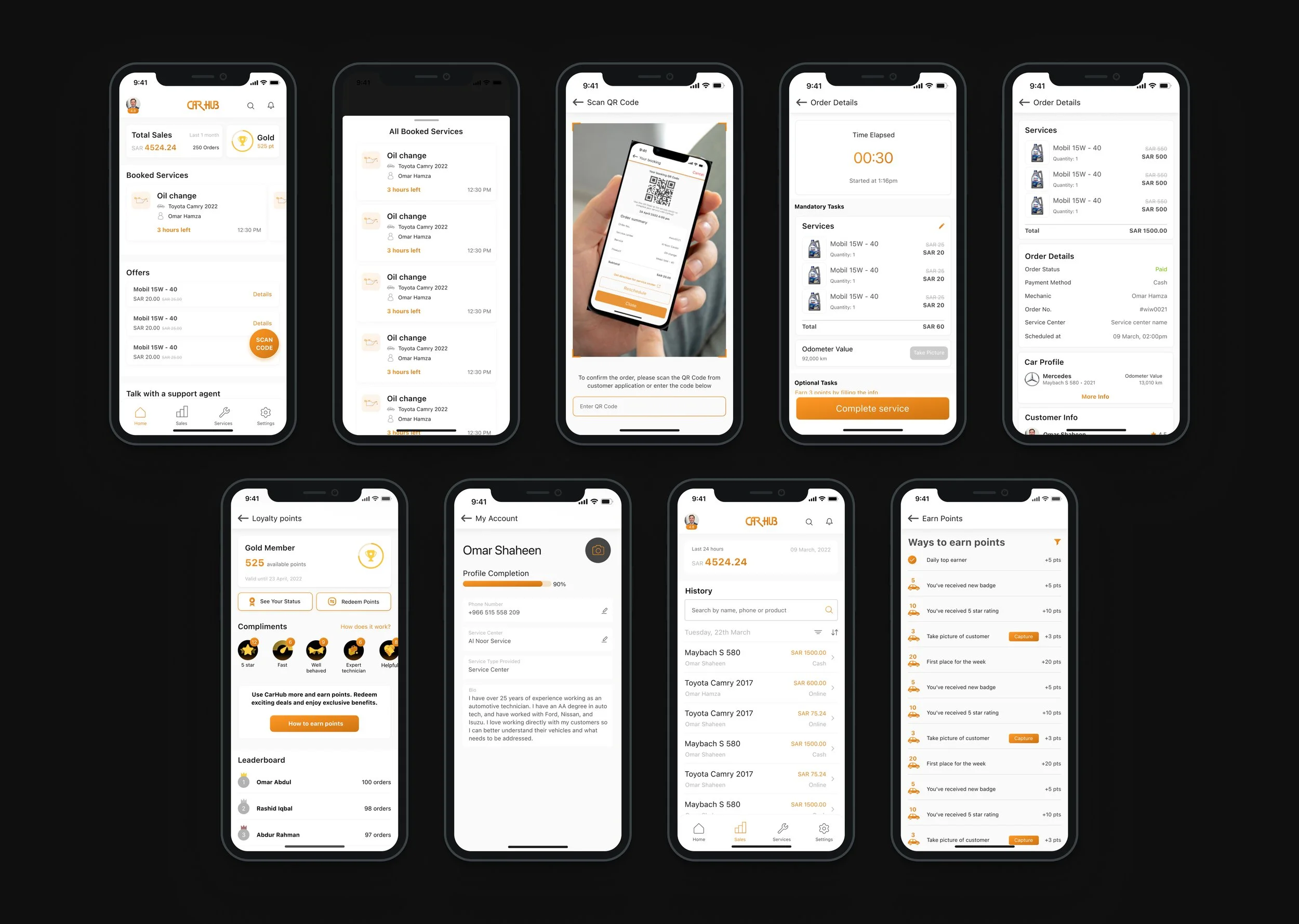
Carhub Merchant App
The merchant platform balances operational efficiency with business growth tools, helping service providers manage bookings and track performance in one place.
User Testing
We conducted usability testing with 12 participants (8 car owners and 4 service providers), focusing on core workflows and new features. We found some interesting result on Service Booking Completion Rate and Merchant Response Time along with a great Customer Satisfaction Score.
High Fidelity Prototype
Impact & Carhub’s Future Ahead
Our redesign transformed Carhub into a streamlined automotive service platform, significantly improving engagement for both car owners and service providers. The new loyalty program and intuitive interfaces led to higher user retention and merchant satisfaction, while the simplified booking process increased service appointments by 45%.
These initiatives will strengthen Carhub's position as a leader in digital automotive services while making vehicle maintenance more proactive and accessible.
For Carhub's continued innovation, we identified three key opportunities:
Implement AI-powered predictive maintenance alerts
Enhance merchant tools with advanced analytics
Integrate with connected car technologies
Other Case Studies
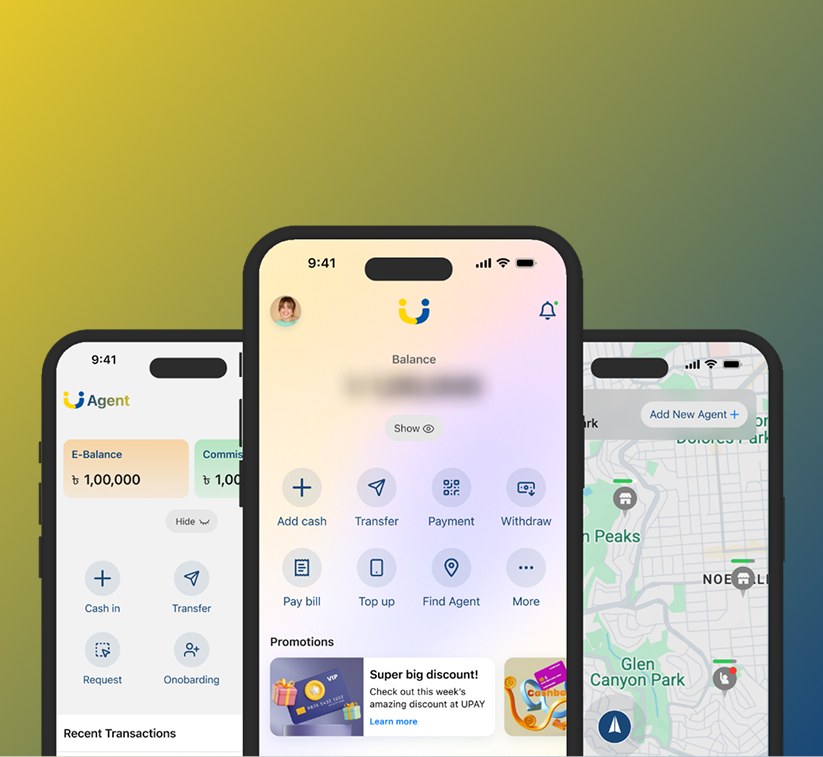
Designing Mobile Financial Service Ecosystem
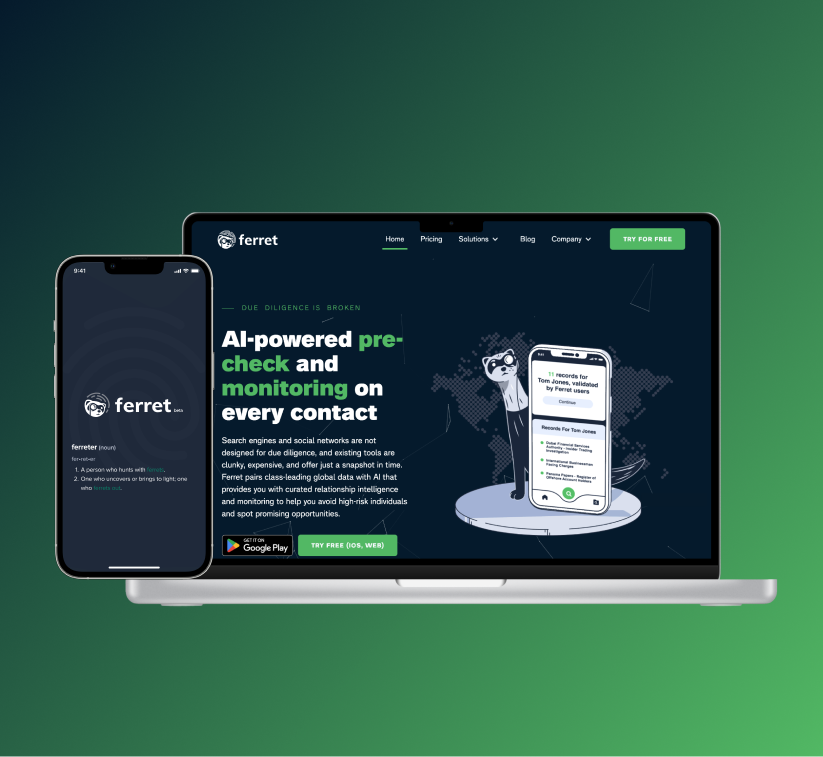
Designing Due Diligence App for Everyone
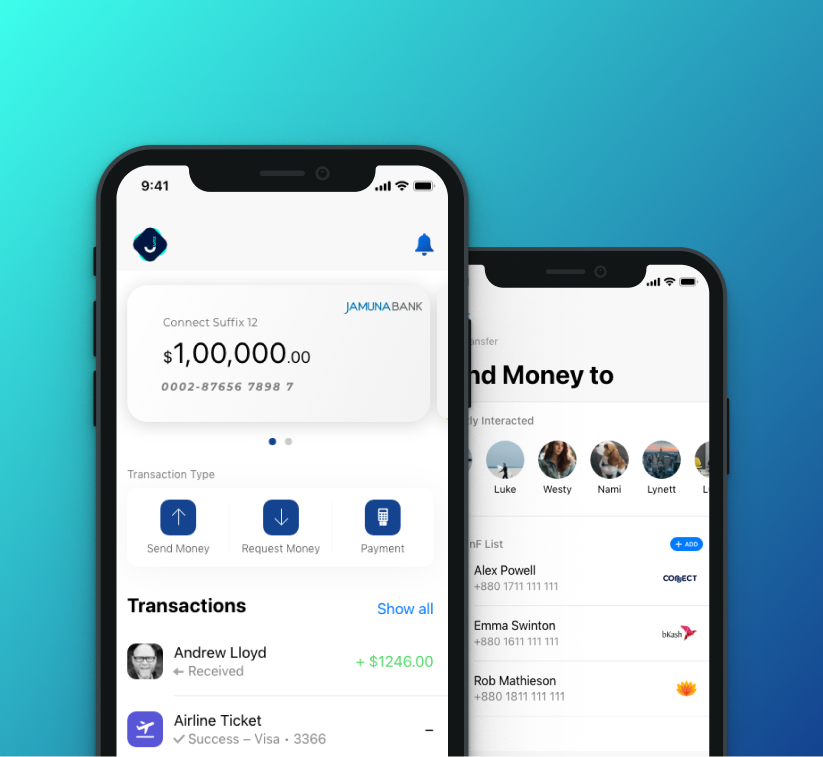
Designing and Developing Mobile Banking for a Fintech Startup
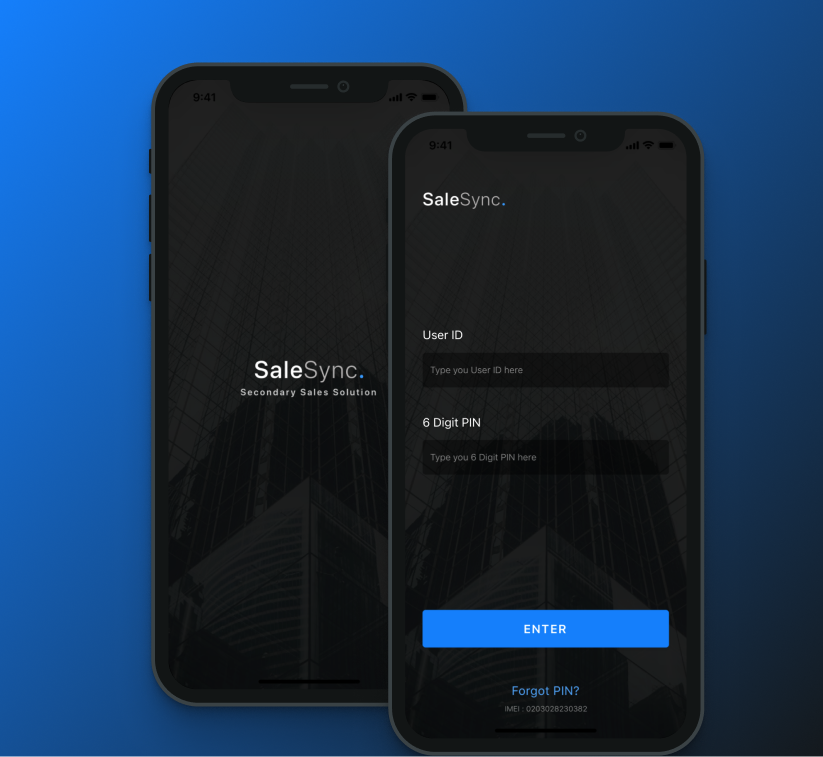
Designing Secondary Sales Applications for FMCG Distribution